
Asbestos in Ceilings in Colchester: What Homeowners Need to Know
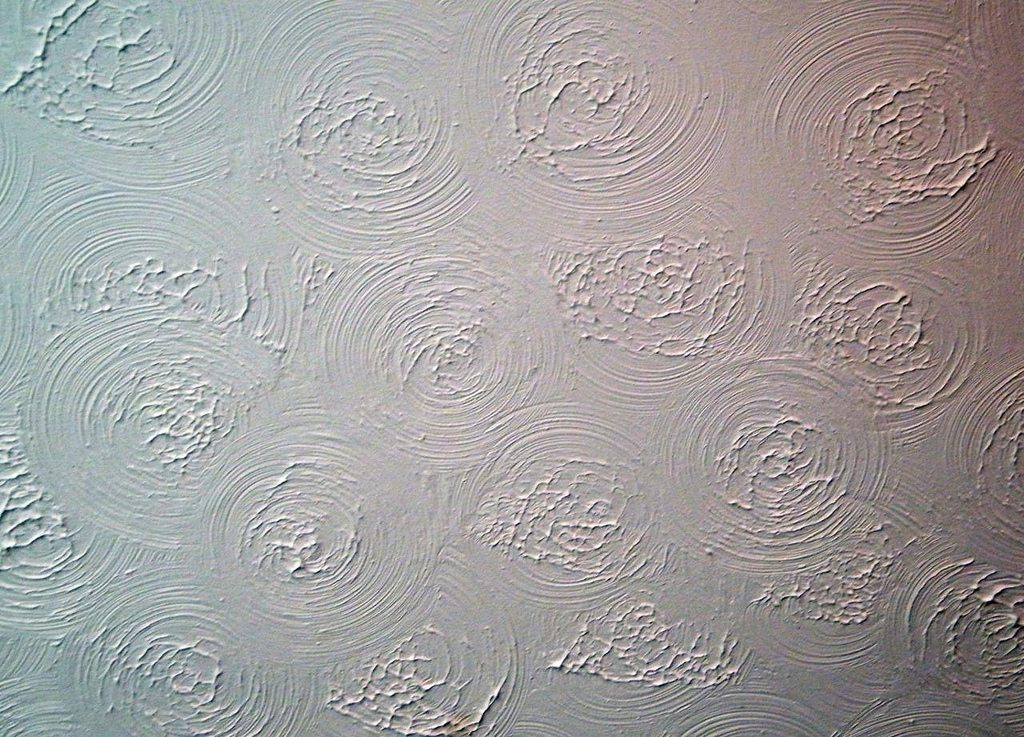
For many homeowners in Colchester, ceilings are one of the most overlooked areas where asbestos may be present. Decorative finishes and ceiling materials installed decades ago are still common in homes across Essex, particularly in properties built or refurbished before 2000.
This guide is written specifically for homeowners. It explains where asbestos may be found in ceilings, why it can be dangerous, and what steps to take if you suspect asbestos in your Colchester property.
Why Asbestos Was Used in Ceilings
Asbestos was widely used in ceiling materials because of its fire-resistant and insulating properties. It was commonly added to products to improve durability and reduce the spread of fire.
As a result, asbestos may be present in:
- Textured coatings such as decorative finishes
- Ceiling boards and panels
- Insulating boards above ceilings
- Fire-resistant ceiling tiles
Many of these materials remain hidden unless disturbed during repairs or renovations.
Common Types of Asbestos Found in Ceiling Materials
Different ceiling materials may contain different forms of asbestos, each carrying varying levels of risk.
Textured Coatings
Decorative ceiling coatings applied throughout the 1970s and 1980s sometimes contained asbestos. These are often found in living rooms, bedrooms, and hallways.
Asbestos Insulating Board
Insulating boards were used in some ceilings for fire protection and soundproofing. These materials are higher risk and require specialist handling.
Ceiling Tiles
Some older ceiling tiles used in domestic settings contain asbestos, particularly in converted lofts or extensions.
Only professional testing can confirm whether asbestos is present.
Why Asbestos in Ceilings Can Be a Risk
Asbestos-containing ceiling materials are usually safe if left undisturbed. However, they can become hazardous when fibres are released into the air.
This can happen when:
- Drilling for light fittings
- Removing ceiling fixtures
- Scraping or sanding finishes
- Water damage causes deterioration
Even minor work can release fibres without proper controls in place.
What to Do If You Suspect Asbestos in Your Ceiling
If you believe your ceiling may contain asbestos, the safest course of action is to avoid disturbing it.
You should:
- Stop any DIY or renovation work
- Avoid drilling, sanding, or cutting
- Seek professional advice and testing
A professional asbestos survey will confirm whether asbestos is present and recommend appropriate next steps.
UK Guidance and Safe Management
UK guidance emphasises the importance of managing asbestos safely to prevent exposure. While homeowners are not subject to the same duties as commercial property owners, safety responsibilities still apply when arranging work.
Professional contractors follow recognised guidance and accredited testing processes to ensure asbestos is identified and managed correctly.
How Professional Ceiling Asbestos Removal Works
Professional removal of asbestos from ceilings follows a structured process designed to protect occupants and workers.
This usually includes:
- Assessment and sampling
- Risk evaluation and planning
- Controlled removal or encapsulation
- Secure packaging of waste
- Licensed disposal
- Final checks and clean-up
The method used will depend on the type and condition of the asbestos material.
Cost of Removing Asbestos From Ceilings in Colchester
The cost of ceiling asbestos removal can vary depending on:
- Type of asbestos material
- Size of the affected area
- Accessibility of the ceiling
- Whether licensed removal is required
As a general guide, costs may range from several hundred pounds to more for larger or higher-risk materials. A professional survey is required for accurate pricing.
Why Professional Removal Is Essential
Professional asbestos contractors have the training and equipment needed to manage asbestos safely. This reduces the risk of fibre release and ensures materials are handled and disposed of correctly.
For homeowners in Colchester, this provides reassurance that asbestos risks are being properly managed.
Top Tip
If your home was built before 2000, always check ceilings for potential asbestos before installing new lighting, insulation, or carrying out decorative work.
Frequently Asked Questions
Is asbestos common in ceilings?
Yes, asbestos is commonly found in older ceiling coatings and boards in homes built before 2000.
Can I paint over an asbestos ceiling?
Painting may help seal some materials, but professional advice is essential before doing so.
Is asbestos dangerous if it’s not damaged?
Undamaged asbestos may not pose an immediate risk, but it should be monitored and managed carefully.
Do I need to remove asbestos before redecorating?
If work could disturb asbestos, professional assessment and removal may be required.
How do I know if my ceiling contains asbestos?
Only professional testing can confirm whether asbestos is present.
Contact The Walther Group
If you’re concerned about asbestos in the ceilings of your Colchester home, contact The Walther Group for expert advice and support. We provide professional asbestos surveys and safe removal services across Essex.
📞 Call 07955 119386 or complete our contact form to speak with a specialist and arrange an assessment.