
Amosite (Brown Asbestos): What It Is, Where It’s Found & How It’s Removed
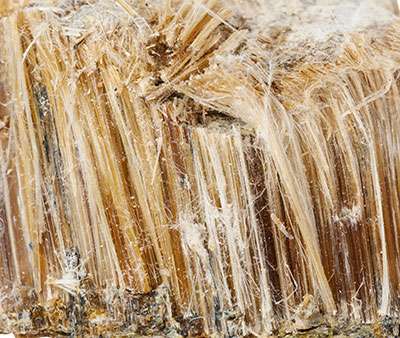
Amosite, commonly referred to as brown asbestos, is one of the higher-risk types of asbestos found in UK buildings. For homeowners and property owners across Essex, understanding amosite is particularly important, as it was widely used in insulation and fire-protection products and can release fibres more easily than some other asbestos types.
This guide explains what amosite asbestos is, how it was used, where it’s commonly found, how it should be handled and disposed of, and why professional asbestos removal is essential.
What Is Amosite (Brown Asbestos)?
Amosite is a type of amphibole asbestos, meaning its fibres are straight, sharp, and brittle. These fibres can break easily and become airborne if disturbed, making amosite more hazardous than chrysotile (white asbestos).
Amosite was widely used in UK construction until the mid-1980s, particularly in buildings requiring enhanced fire resistance and insulation.
Where Amosite Is Commonly Found
Amosite was primarily used in insulation and fire-protection materials. In Essex properties, it is commonly found in:
- Asbestos insulating board (AIB)
- Partition walls and wall linings
- Ceiling panels and tiles
- Soffits and service risers
- Fire doors and fire-protection panels
- Plant rooms and service cupboards
These materials are often found in homes, schools, offices, and commercial buildings built or refurbished before the late 1980s.
Why Amosite Was Used in Buildings
Amosite became popular because it offered strong insulation and fire-resistance properties. It was commonly used to:
- Improve fire protection
- Provide thermal and acoustic insulation
- Strengthen building panels and boards
Its widespread use in internal building materials means it is often encountered during refurbishment or maintenance work.
How to Tell If a Material Contains Amosite
It is not possible to reliably identify amosite by sight alone. While some materials may suggest asbestos, visual inspection cannot confirm the type or presence of asbestos.
Common warning signs include:
- Older insulating boards behind walls or ceilings
- Fire-resistant panels in cupboards or corridors
- Partition walls in properties built before 1990
The only reliable way to confirm amosite asbestos is through professional sampling and laboratory testing.
Why Amosite Is Considered High Risk
Amosite fibres are more brittle and friable than those found in many chrysotile products. This means fibres can be released into the air more easily.
Risks increase when materials are:
- Cut, drilled, or broken
- Deteriorating or damaged
- Disturbed during refurbishment work
Airborne fibres pose serious long-term health risks if inhaled, which is why amosite must be handled with extreme care.
How Amosite Should Be Handled Safely
If amosite asbestos is suspected, you should:
- Stop all work immediately
- Prevent access to the affected area
- Avoid touching or disturbing materials
- Arrange professional assessment and testing
Attempting to handle or remove amosite without specialist controls significantly increases exposure risk.
How Amosite Asbestos Is Removed
Removal of amosite asbestos is a specialist task and almost always requires licensed contractors.
The removal process typically includes:
- Detailed inspection and sampling
- Risk assessment and method statement
- Controlled enclosure of the work area
- Use of specialist protective equipment
- Careful removal of asbestos materials
- Secure packaging and labelling of waste
- Licensed disposal and clearance checks
Strict controls are used to prevent fibre release during removal.
Disposing of Amosite Asbestos
Amosite asbestos waste must be disposed of at licensed hazardous waste facilities. Disposal involves:
- Secure wrapping and labelling
- Transportation by licensed waste carriers
- Compliance with hazardous waste regulations
Improper disposal is illegal and poses serious health and environmental risks.
Do You Need a Licence to Remove Amosite?
Yes, in most cases amosite removal is classed as licensed asbestos work. This is due to the high-risk nature of the material and the likelihood of fibre release.
Licensed contractors are required to follow strict procedures, including notification and controlled working methods.
Does Amosite Removal Require a Specialist?
Absolutely. Amosite asbestos should only be handled and removed by trained, licensed asbestos professionals.
Specialist contractors ensure:
- Compliance with UK guidance
- Safe removal and containment
- Correct disposal of hazardous waste
- Protection of occupants and workers
For property owners in Essex, professional removal is essential for safety and peace of mind.
Top Tip
If you suspect asbestos insulating board or fire-protection panels in your property, assume it may be amosite and seek professional advice before carrying out any work.
Frequently Asked Questions
Is amosite the same as brown asbestos?
Yes, amosite is commonly known as brown asbestos.
Is amosite more dangerous than white asbestos?
Yes, amosite is generally considered higher risk due to its brittle fibres.
Can I remove amosite myself?
No. DIY removal of amosite is unsafe and not permitted due to its high risk.
Does amosite always need to be removed?
Often yes, especially if it is damaged or likely to be disturbed. Professional advice is essential.
How do I confirm if a material contains amosite?
Only professional sampling and laboratory testing can confirm the presence and type of asbestos.
Contact The Walther Group
If you believe amosite (brown asbestos) may be present in your Essex property, contact The Walther Group for expert advice and specialist support. We provide asbestos surveys, licensed removal, and safe disposal services across Essex.
📞 Call 07955 119386 or complete our contact form to arrange an assessment and speak with a specialist.