
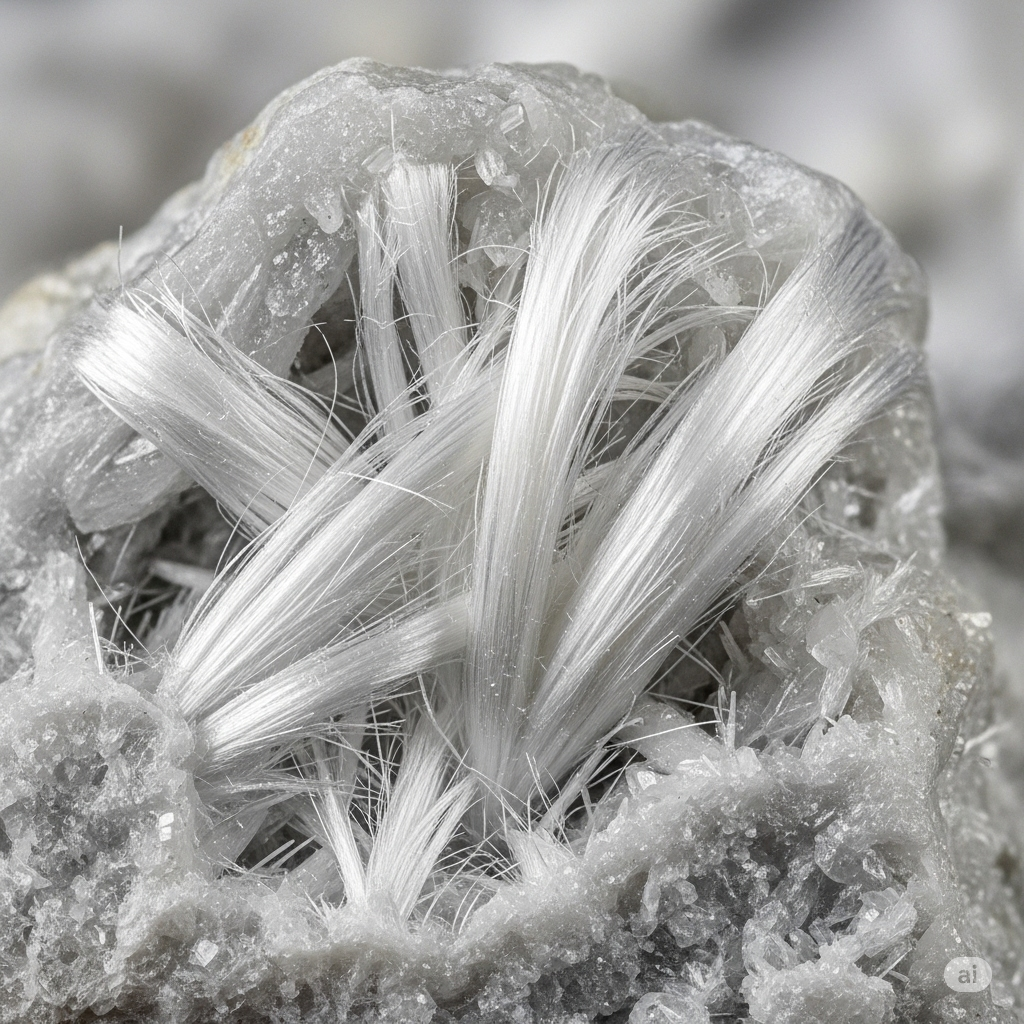
Chrysotile (White Asbestos): What It Is, How It’s Used & How It’s Removed
Chrysotile, commonly known as white asbestos, is the most widely used type of asbestos ever found in UK buildings. For homeowners and property owners across Essex, understanding what chrysotile is and how it should be handled is essential for protecting health and staying compliant with UK guidance.
This guide explains what chrysotile asbestos is, where it’s commonly found, how it was used, how it should be handled and disposed of, and when professional asbestos removal is required.
What Is Chrysotile (White Asbestos)?
Chrysotile is a naturally occurring mineral made up of fine, flexible fibres. It belongs to the serpentine group of asbestos minerals and was widely used in UK construction until asbestos was fully banned in 1999.
Because chrysotile fibres are strong, heat-resistant, and flexible, they were added to many building products to improve durability and fire resistance.
Despite being considered lower risk than some other asbestos types, chrysotile can still be dangerous if disturbed.
Where Chrysotile Is Commonly Found
Chrysotile was used in a wide range of domestic and commercial building materials. In Essex properties, it is commonly found in:
- Asbestos cement roof sheets and garage roofs
- Textured coatings on ceilings and walls
- Vinyl floor tiles and adhesive residues
- Cement panels and cladding
- Gaskets, seals, and pipe linings
Many of these materials remain in place today, particularly in buildings constructed or refurbished before 2000.
Why Chrysotile Was Used in Buildings
Chrysotile became popular in construction because it offered several practical benefits:
- High resistance to heat and fire
- Strength and durability
- Flexibility when mixed with cement or other materials
- Low manufacturing cost
These properties made it suitable for both internal and external building products.
How to Tell If a Material Contains Chrysotile
It’s important to understand that you cannot reliably identify chrysotile by sight alone. While some materials may suggest asbestos, visual inspection is not enough to confirm its presence or type.
Common indicators include:
- Older cement roofing sheets
- Textured ceiling finishes applied before the 1990s
- Old vinyl floor tiles, often 9-inch squares
- Grey cement boards or panels
The only reliable way to confirm chrysotile asbestos is through professional sampling and laboratory testing.
Why Chrysotile Can Be a Health Risk
Chrysotile is often considered lower risk because fibres are usually bound into materials. However, it becomes hazardous when fibres are released into the air.
This can happen when materials are:
- Drilled, cut, or sanded
- Broken or cracked
- Affected by water damage
- Removed incorrectly
Inhalation of asbestos fibres is linked to serious long-term health conditions, which is why correct handling is critical.
How Chrysotile Should Be Handled Safely
If chrysotile is suspected, you should:
- Avoid disturbing the material
- Stop DIY or renovation work immediately
- Prevent access to the affected area
- Seek professional advice and testing
Incorrect handling significantly increases the risk of fibre release and contamination.
How Chrysotile Asbestos Is Removed
Professional removal of chrysotile asbestos follows strict safety procedures.
The process typically includes:
- Inspection and sampling
- Risk assessment and method planning
- Controlled removal using specialist techniques
- Secure packaging and labelling of waste
- Transportation to licensed disposal facilities
- Final clean-up and checks
The removal method depends on the material type, condition, and location.
Disposing of Chrysotile Asbestos
Asbestos waste, including chrysotile, must be disposed of at licensed waste facilities. It must be:
- Double-bagged or securely wrapped
- Clearly labelled as asbestos waste
- Transported by licensed carriers
Incorrect disposal is illegal and poses serious health and environmental risks.
Do You Need a Licence to Remove Chrysotile?
Some chrysotile work may be classed as non-licensed, particularly when dealing with asbestos cement in good condition. However, strict safety controls must still be followed.
Other situations may require licensed removal, especially if:
- Materials are damaged or deteriorating
- The work could release significant fibres
- The asbestos is friable or poorly bonded
Professional assessment is essential to determine the correct approach.
Does Chrysotile Removal Require a Specialist?
Yes. Even when removal is non-licensed, asbestos work should only be carried out by trained and competent professionals.
Specialist asbestos contractors ensure:
- Compliance with UK guidance
- Safe handling and removal
- Correct waste disposal
- Reduced health risks
For property owners in Essex, using professionals provides peace of mind and protects everyone involved.
Top Tip
Never attempt to remove or dispose of suspected chrysotile asbestos yourself. Professional advice should always be sought before any work begins.
Frequently Asked Questions
Is chrysotile the same as white asbestos?
Yes, chrysotile is commonly referred to as white asbestos.
Is chrysotile less dangerous than other asbestos types?
It is often considered lower risk, but it can still be dangerous if fibres are released.
Can I remove chrysotile myself?
DIY removal is strongly discouraged due to health and legal risks.
Does chrysotile always need to be removed?
Not always. In some cases, it can be safely managed if undamaged and unlikely to be disturbed.
How do I know if chrysotile is present?
Only professional sampling and laboratory testing can confirm its presence.
Contact The Walther Group
If you believe chrysotile (white asbestos) may be present in your Essex property, contact The Walther Group for expert advice and professional support. We provide asbestos surveys, testing, and safe removal services across Essex.
📞 Call 07955 119386 or complete our contact form to arrange an assessment and speak with a specialist.